Buy procement.eu ?
We are moving the project
procement.eu .
Are you interested in purchasing the domain
procement.eu ?
domain@kv-gmbh.de · 0541-91531010
Buy procement.eu ?
What type of inhibition occurs through allosteric activation/inhibition?
Allosteric inhibition occurs when a molecule binds to an allosteric site on an enzyme, causing a conformational change that reduces the enzyme's activity. This type of inhibition is non-competitive, meaning it does not compete with the substrate for the active site. Allosteric activation, on the other hand, occurs when a molecule binds to an allosteric site and enhances the enzyme's activity. Both allosteric inhibition and activation involve the binding of a regulatory molecule to a site other than the active site of the enzyme, leading to a change in the enzyme's activity. **
Is allosteric inhibition the same as non-competitive inhibition?
Allosteric inhibition and non-competitive inhibition are not the same, although they are related. Non-competitive inhibition refers to the binding of an inhibitor to a site on the enzyme that is not the active site, thereby preventing the substrate from binding to the active site. Allosteric inhibition, on the other hand, occurs when an inhibitor binds to a site on the enzyme that is distinct from the active site, causing a conformational change in the enzyme that reduces its activity. While both types of inhibition involve the binding of an inhibitor to a site other than the active site, allosteric inhibition specifically involves a change in the enzyme's shape and activity. **


Similar search terms for Inhibition
Top-Angebote
Products related to Inhibition:
-
Discount Dollar Deals Dental X Ray Film Plastic Snap Radiograph Holder Clip, High Quality Dental Equipment Tools, Dentistry Lab Consumables Dental X Ray Film Plastic Snap Radiograph Holder Clip, High Quality Dental Equipment Tools, Dentistry Lab ConsumablProfessional Precision You Can Trust If accuracy matters in your practice, the Dental X Ray Film Plastic Snap Radiograph Holder Clip High Quality Dental Equipment Tools Dentistry Lab Consumables Blue delivers reliable positioning every time....44,97 $*Shipping: 0,00 $Secure redirect to the provider
-
All Categories Goods Natural Soy Wax Flakes Candle Making Kit With Wicks And Centering Tools For DIY Candle Making Supplies Natural Soy Wax Flakes Candle Making Kit With Wicks And Centering Tools For DIY Candle Making SuppliesLet creativity fill your space with warm light and soothing aromas. This complete candle making kit gives beginners and hobbyists everything they need to craft beautiful homemade candles with ease. Made with premium soy wax flakes, the kit helps you...199,97 $*Shipping: 0,00 $Secure redirect to the provider
-
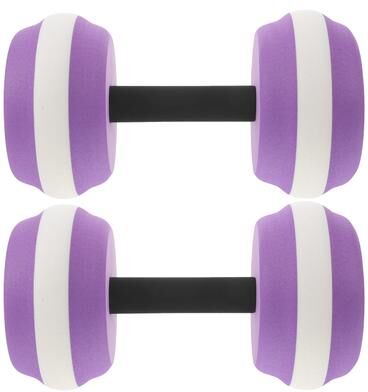
On Spot Shop EVA Dumbbells On Water Pool Ankle Weights For Exercise Bubble Swim Equipment, Swimming Exercises Tools For Aqua Aerobic EVA Dumbbells On Water Pool Ankle Weights For Exercise Bubble Swim Equipment, Swimming Exercises Tools For Aqua AerobicEnhance Your Water Workouts with EVA Swimming Exercise Tools Take your aquatic training to the next level with Dumbbells on Water Pool Ankle Weights for Exercise Bubble Swim Equipment EVA Swimming Exercises Tools. Designed for resistance training in...38,97 $*Shipping: 0,00 $Secure redirect to the provider



-
What is the difference between competitive inhibition and allosteric inhibition?
Competitive inhibition occurs when a molecule competes with the substrate for the active site of an enzyme, effectively blocking the substrate from binding and inhibiting the enzyme's activity. In contrast, allosteric inhibition occurs when a molecule binds to a site on the enzyme other than the active site, causing a conformational change that reduces the enzyme's activity. While competitive inhibition directly competes with the substrate for the active site, allosteric inhibition involves binding to a different site on the enzyme to regulate its activity. **
-
Is allosteric inhibition irreversible?
Allosteric inhibition is typically reversible, meaning that the inhibitor can bind to the allosteric site and block the activity of the enzyme, but can also dissociate from the site, allowing the enzyme to regain its activity. This is in contrast to irreversible inhibition, where the inhibitor forms a covalent bond with the enzyme, permanently inactivating it. **
-
Non-competitive inhibition, right?
Non-competitive inhibition is a type of enzyme inhibition where the inhibitor binds to a site on the enzyme that is not the active site. This binding causes a conformational change in the enzyme, making it less effective at catalyzing the reaction. Non-competitive inhibitors do not compete with the substrate for binding to the enzyme. Instead, they can bind to the enzyme-substrate complex or to a separate allosteric site on the enzyme. **
-
What is allosteric inhibition?
Allosteric inhibition is a type of enzyme regulation where a molecule binds to a site on the enzyme that is different from the active site, causing a conformational change in the enzyme's structure. This change reduces the enzyme's activity and ability to bind to its substrate, ultimately inhibiting its function. Allosteric inhibition is a reversible process and can be used to regulate enzyme activity in response to changing cellular conditions. **

What is the difference between allosteric inhibition and competitive inhibition in biology?
Allosteric inhibition occurs when a molecule binds to an allosteric site on an enzyme, causing a conformational change that reduces the enzyme's activity. This type of inhibition is non-competitive and can affect multiple enzymes in a metabolic pathway. On the other hand, competitive inhibition occurs when a molecule competes with the substrate for the active site of the enzyme, effectively blocking the substrate from binding and reducing the enzyme's activity. Competitive inhibition can be overcome by increasing the concentration of the substrate, while allosteric inhibition cannot be overcome in the same way. **
What is the difference between non-competitive inhibition and allosteric inhibition in biochemistry?
Non-competitive inhibition occurs when an inhibitor binds to an enzyme at a site other than the active site, causing a conformational change in the enzyme that reduces its activity. This type of inhibition does not compete with the substrate for binding to the active site. On the other hand, allosteric inhibition occurs when an inhibitor binds to an allosteric site on the enzyme, causing a conformational change that reduces the enzyme's activity. Allosteric inhibition can be reversible or irreversible, and it can be overcome by increasing the concentration of the substrate. **
Top-Angebote
Products related to Inhibition:
-
On Spot Shop Pure Natural Granular Beeswax, DIY Candle Making Supplies, Handmade Scented Wax, Raw Materials For Craft white BeeswaxUnlock the pure, natural essence of the hive with our Premium Granular Beeswax. Sourced for the discerning crafter, this versatile beeswax is your allinone raw material for creating breathtaking, handmade projects. Unlike synthetic waxes, our 100%...44,97 $*Shipping: 0,00 $Secure redirect to the provider
-
Tools, Home & Hobby Balance Board Wobble Board Trainer For Adults Wooden Core Workout Equipment Balance Board Wobble Board Trainer For Adults Wooden Core Workout EquipmentBuild strength, improve stability, and bring more movement into your daily routine with a versatile balance training tool designed for every fitness level. This premium wooden balance board helps adults enhance core strength, coordination, posture,...149,97 $*Shipping: 0,00 $Secure redirect to the provider
-
Discount Dollar Deals Dental X Ray Film Plastic Snap Radiograph Holder Clip, High Quality Dental Equipment Tools, Dentistry Lab Consumables Dental X Ray Film Plastic Snap Radiograph Holder Clip, High Quality Dental Equipment Tools, Dentistry Lab ConsumablProfessional Precision You Can Trust If accuracy matters in your practice, the Dental X Ray Film Plastic Snap Radiograph Holder Clip High Quality Dental Equipment Tools Dentistry Lab Consumables Blue delivers reliable positioning every time....44,97 $*Shipping: 0,00 $Secure redirect to the provider
-
What type of inhibition occurs through allosteric activation/inhibition?
Allosteric inhibition occurs when a molecule binds to an allosteric site on an enzyme, causing a conformational change that reduces the enzyme's activity. This type of inhibition is non-competitive, meaning it does not compete with the substrate for the active site. Allosteric activation, on the other hand, occurs when a molecule binds to an allosteric site and enhances the enzyme's activity. Both allosteric inhibition and activation involve the binding of a regulatory molecule to a site other than the active site of the enzyme, leading to a change in the enzyme's activity. **
-
Is allosteric inhibition the same as non-competitive inhibition?
Allosteric inhibition and non-competitive inhibition are not the same, although they are related. Non-competitive inhibition refers to the binding of an inhibitor to a site on the enzyme that is not the active site, thereby preventing the substrate from binding to the active site. Allosteric inhibition, on the other hand, occurs when an inhibitor binds to a site on the enzyme that is distinct from the active site, causing a conformational change in the enzyme that reduces its activity. While both types of inhibition involve the binding of an inhibitor to a site other than the active site, allosteric inhibition specifically involves a change in the enzyme's shape and activity. **
-
What is the difference between competitive inhibition and allosteric inhibition?
Competitive inhibition occurs when a molecule competes with the substrate for the active site of an enzyme, effectively blocking the substrate from binding and inhibiting the enzyme's activity. In contrast, allosteric inhibition occurs when a molecule binds to a site on the enzyme other than the active site, causing a conformational change that reduces the enzyme's activity. While competitive inhibition directly competes with the substrate for the active site, allosteric inhibition involves binding to a different site on the enzyme to regulate its activity. **
-
Is allosteric inhibition irreversible?
Allosteric inhibition is typically reversible, meaning that the inhibitor can bind to the allosteric site and block the activity of the enzyme, but can also dissociate from the site, allowing the enzyme to regain its activity. This is in contrast to irreversible inhibition, where the inhibitor forms a covalent bond with the enzyme, permanently inactivating it. **
Similar search terms for Inhibition
-
All Categories Goods Natural Soy Wax Flakes Candle Making Kit With Wicks And Centering Tools For DIY Candle Making Supplies Natural Soy Wax Flakes Candle Making Kit With Wicks And Centering Tools For DIY Candle Making SuppliesLet creativity fill your space with warm light and soothing aromas. This complete candle making kit gives beginners and hobbyists everything they need to craft beautiful homemade candles with ease. Made with premium soy wax flakes, the kit helps you...199,97 $*Shipping: 0,00 $Secure redirect to the provider
-
On Spot Shop EVA Dumbbells On Water Pool Ankle Weights For Exercise Bubble Swim Equipment, Swimming Exercises Tools For Aqua Aerobic EVA Dumbbells On Water Pool Ankle Weights For Exercise Bubble Swim Equipment, Swimming Exercises Tools For Aqua AerobicEnhance Your Water Workouts with EVA Swimming Exercise Tools Take your aquatic training to the next level with Dumbbells on Water Pool Ankle Weights for Exercise Bubble Swim Equipment EVA Swimming Exercises Tools. Designed for resistance training in...38,97 $*Shipping: 0,00 $Secure redirect to the provider
-
Kings County Tools 11.75-inch Heavy Duty Waxed Canvas Tool Bag or Garden Caddy for Gardening SuppliesEasily organize and transport your most used hand tools or garden supplies with the Waxed Canvas Doctor’s Style Tool Bag by Kings County Tools.58,99 $*Shipping: 0,00 $Secure redirect to the provider
-
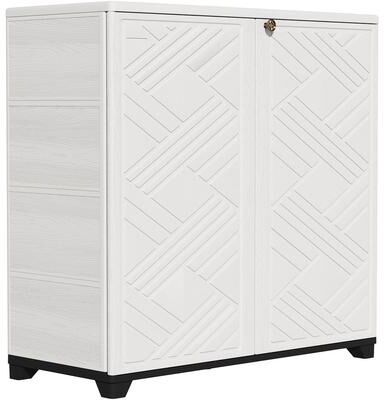
/ 33.5 In Outdoor Storage Cabinet, Patio Shed for Brooms, Trash Bins, Gardening Tools, Pool Supplies,Household Organization1. Versatile Storage Solution for Indoor and Outdoor Spaces Designed to meet a variety of storage needs, this cabinet provides a convenient place for organizing brooms, mops, gardening tools, grilling...272,99 $*Shipping: 0,00 $Secure redirect to the provider
-
Non-competitive inhibition, right?
Non-competitive inhibition is a type of enzyme inhibition where the inhibitor binds to a site on the enzyme that is not the active site. This binding causes a conformational change in the enzyme, making it less effective at catalyzing the reaction. Non-competitive inhibitors do not compete with the substrate for binding to the enzyme. Instead, they can bind to the enzyme-substrate complex or to a separate allosteric site on the enzyme. **
-
What is allosteric inhibition?
Allosteric inhibition is a type of enzyme regulation where a molecule binds to a site on the enzyme that is different from the active site, causing a conformational change in the enzyme's structure. This change reduces the enzyme's activity and ability to bind to its substrate, ultimately inhibiting its function. Allosteric inhibition is a reversible process and can be used to regulate enzyme activity in response to changing cellular conditions. **
-
What is the difference between allosteric inhibition and competitive inhibition in biology?
Allosteric inhibition occurs when a molecule binds to an allosteric site on an enzyme, causing a conformational change that reduces the enzyme's activity. This type of inhibition is non-competitive and can affect multiple enzymes in a metabolic pathway. On the other hand, competitive inhibition occurs when a molecule competes with the substrate for the active site of the enzyme, effectively blocking the substrate from binding and reducing the enzyme's activity. Competitive inhibition can be overcome by increasing the concentration of the substrate, while allosteric inhibition cannot be overcome in the same way. **
-
What is the difference between non-competitive inhibition and allosteric inhibition in biochemistry?
Non-competitive inhibition occurs when an inhibitor binds to an enzyme at a site other than the active site, causing a conformational change in the enzyme that reduces its activity. This type of inhibition does not compete with the substrate for binding to the active site. On the other hand, allosteric inhibition occurs when an inhibitor binds to an allosteric site on the enzyme, causing a conformational change that reduces the enzyme's activity. Allosteric inhibition can be reversible or irreversible, and it can be overcome by increasing the concentration of the substrate. **
* All prices are inclusive of VAT and, if applicable, plus shipping costs. The offer information is based on the details provided by the respective shop and is updated through automated processes. Real-time updates do not occur, so deviations can occur in individual cases. ** Note: Parts of this content were created by AI.