Buy procement.eu ?
We are moving the project
procement.eu .
Are you interested in purchasing the domain
procement.eu ?
domain@kv-gmbh.de · 0541-91531010
Buy procement.eu ?
How do you define historical contextualization?
Historical contextualization refers to the process of understanding and interpreting historical events, ideas, and actions within the specific social, cultural, political, and economic context in which they occurred. It involves examining the broader historical circumstances, influences, and factors that shaped the events or phenomena being studied. By placing historical events within their proper context, historians can gain a deeper understanding of the motivations, causes, and consequences of those events, as well as their significance within the broader historical narrative. This approach allows for a more nuanced and comprehensive interpretation of history, highlighting the interconnectedness of different historical developments and the impact of broader societal forces on individual actions. **
What is contextualization and how does it differ from a summary?
Contextualization is the process of providing background information, historical context, or relevant details to help the reader better understand the subject being discussed. It helps to place the information in a broader perspective and gives a deeper understanding of the topic. On the other hand, a summary is a brief overview of the main points or key ideas of a text, without providing additional context or explanation. While a summary condenses the information into a concise form, contextualization enriches the content by providing a more comprehensive understanding of the subject matter. **

Similar search terms for Contextualization
Top-Angebote
Products related to Contextualization:
-
Discount Dollar Deals Dental X Ray Film Plastic Snap Radiograph Holder Clip, High Quality Dental Equipment Tools, Dentistry Lab Consumables Dental X Ray Film Plastic Snap Radiograph Holder Clip, High Quality Dental Equipment Tools, Dentistry Lab ConsumablProfessional Precision You Can Trust If accuracy matters in your practice, the Dental X Ray Film Plastic Snap Radiograph Holder Clip High Quality Dental Equipment Tools Dentistry Lab Consumables Blue delivers reliable positioning every time....44,97 $*Shipping: 0,00 $Secure redirect to the provider
-
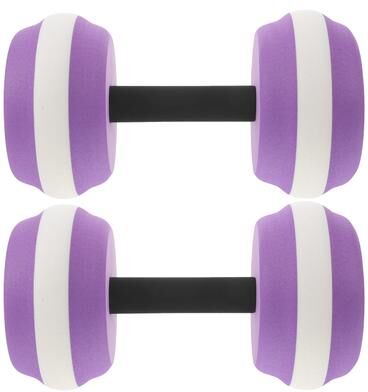
On Spot Shop EVA Dumbbells On Water Pool Ankle Weights For Exercise Bubble Swim Equipment, Swimming Exercises Tools For Aqua Aerobic EVA Dumbbells On Water Pool Ankle Weights For Exercise Bubble Swim Equipment, Swimming Exercises Tools For Aqua AerobicEnhance Your Water Workouts with EVA Swimming Exercise Tools Take your aquatic training to the next level with Dumbbells on Water Pool Ankle Weights for Exercise Bubble Swim Equipment EVA Swimming Exercises Tools. Designed for resistance training in...38,97 $*Shipping: 0,00 $Secure redirect to the provider
-
All Categories Goods Natural Soy Wax Flakes Candle Making Kit With Wicks And Centering Tools For DIY Candle Making Supplies Natural Soy Wax Flakes Candle Making Kit With Wicks And Centering Tools For DIY Candle Making SuppliesLet creativity fill your space with warm light and soothing aromas. This complete candle making kit gives beginners and hobbyists everything they need to craft beautiful homemade candles with ease. Made with premium soy wax flakes, the kit helps you...199,97 $*Shipping: 0,00 $Secure redirect to the provider



-
What tools, materials, and equipment do teachers work with?
Teachers work with a variety of tools, materials, and equipment in their daily work. Some common tools include whiteboards, markers, and projectors for delivering lessons. Materials such as textbooks, worksheets, and manipulatives are used to support student learning. Equipment like computers, printers, and audio-visual devices are also essential for creating engaging lessons and activities. Overall, teachers rely on a combination of traditional and modern tools to effectively educate their students. **
-
With which work tools, materials, and equipment do teachers work?
Teachers work with a variety of tools, materials, and equipment in their daily tasks. Some common tools include computers, projectors, whiteboards, and pens. Materials can range from textbooks and worksheets to art supplies and science equipment. Additionally, teachers may use equipment such as printers, laminators, and document cameras to enhance their teaching methods and create engaging learning experiences for students. **
-
What would be a suitable title for tools, equipment, materials, and workplace safety?
A suitable title for tools, equipment, materials, and workplace safety could be "Ensuring a Safe and Efficient Work Environment." This title encompasses the importance of maintaining a safe workplace while also emphasizing the role of tools, equipment, and materials in achieving efficiency and productivity. It highlights the need for proper safety measures and the use of appropriate tools and equipment to create a conducive work environment. **
-
With which tools, equipment, materials, and work aids do you work in the daycare?
In the daycare, I work with a variety of tools, equipment, materials, and work aids to ensure the safety and well-being of the children. Some of the tools and equipment I use include toys, books, art supplies, and educational materials. I also utilize safety equipment such as first aid kits, fire extinguishers, and childproofing supplies. Additionally, I work with technology such as computers and tablets for educational purposes. These tools and aids help me create a stimulating and safe environment for the children in my care. **

What is the difference between materials and tools?
Materials are the substances or components used to create or build something, such as wood, metal, plastic, or fabric. Tools, on the other hand, are instruments or devices used to manipulate or work with materials, such as hammers, saws, drills, or sewing machines. In other words, materials are the raw elements used in a project, while tools are the instruments used to shape, cut, or assemble those materials. **
Which materials and tools are primarily needed in floristry?
In floristry, the primary materials needed include fresh flowers, foliage, and other natural elements like branches or berries. Additionally, tools such as floral foam, wire, tape, scissors, and floral shears are essential for creating arrangements. Vases, containers, and ribbons are also commonly used in floristry to enhance the presentation of the floral designs. Overall, a combination of natural materials and specialized tools are key to creating beautiful and professional floral arrangements. **
Top-Angebote
Products related to Contextualization:
-
On Spot Shop Pure Natural Granular Beeswax, DIY Candle Making Supplies, Handmade Scented Wax, Raw Materials For Craft white BeeswaxUnlock the pure, natural essence of the hive with our Premium Granular Beeswax. Sourced for the discerning crafter, this versatile beeswax is your allinone raw material for creating breathtaking, handmade projects. Unlike synthetic waxes, our 100%...44,97 $*Shipping: 0,00 $Secure redirect to the provider
-
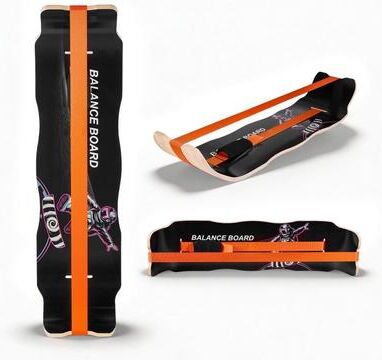
Tools, Home & Hobby Balance Board Wobble Board Trainer For Adults Wooden Core Workout Equipment Balance Board Wobble Board Trainer For Adults Wooden Core Workout EquipmentBuild strength, improve stability, and bring more movement into your daily routine with a versatile balance training tool designed for every fitness level. This premium wooden balance board helps adults enhance core strength, coordination, posture,...149,97 $*Shipping: 0,00 $Secure redirect to the provider
-
Discount Dollar Deals Dental X Ray Film Plastic Snap Radiograph Holder Clip, High Quality Dental Equipment Tools, Dentistry Lab Consumables Dental X Ray Film Plastic Snap Radiograph Holder Clip, High Quality Dental Equipment Tools, Dentistry Lab ConsumablProfessional Precision You Can Trust If accuracy matters in your practice, the Dental X Ray Film Plastic Snap Radiograph Holder Clip High Quality Dental Equipment Tools Dentistry Lab Consumables Blue delivers reliable positioning every time....44,97 $*Shipping: 0,00 $Secure redirect to the provider
-
How do you define historical contextualization?
Historical contextualization refers to the process of understanding and interpreting historical events, ideas, and actions within the specific social, cultural, political, and economic context in which they occurred. It involves examining the broader historical circumstances, influences, and factors that shaped the events or phenomena being studied. By placing historical events within their proper context, historians can gain a deeper understanding of the motivations, causes, and consequences of those events, as well as their significance within the broader historical narrative. This approach allows for a more nuanced and comprehensive interpretation of history, highlighting the interconnectedness of different historical developments and the impact of broader societal forces on individual actions. **
-
What is contextualization and how does it differ from a summary?
Contextualization is the process of providing background information, historical context, or relevant details to help the reader better understand the subject being discussed. It helps to place the information in a broader perspective and gives a deeper understanding of the topic. On the other hand, a summary is a brief overview of the main points or key ideas of a text, without providing additional context or explanation. While a summary condenses the information into a concise form, contextualization enriches the content by providing a more comprehensive understanding of the subject matter. **
-
What tools, materials, and equipment do teachers work with?
Teachers work with a variety of tools, materials, and equipment in their daily work. Some common tools include whiteboards, markers, and projectors for delivering lessons. Materials such as textbooks, worksheets, and manipulatives are used to support student learning. Equipment like computers, printers, and audio-visual devices are also essential for creating engaging lessons and activities. Overall, teachers rely on a combination of traditional and modern tools to effectively educate their students. **
-
With which work tools, materials, and equipment do teachers work?
Teachers work with a variety of tools, materials, and equipment in their daily tasks. Some common tools include computers, projectors, whiteboards, and pens. Materials can range from textbooks and worksheets to art supplies and science equipment. Additionally, teachers may use equipment such as printers, laminators, and document cameras to enhance their teaching methods and create engaging learning experiences for students. **
Similar search terms for Contextualization
-
On Spot Shop EVA Dumbbells On Water Pool Ankle Weights For Exercise Bubble Swim Equipment, Swimming Exercises Tools For Aqua Aerobic EVA Dumbbells On Water Pool Ankle Weights For Exercise Bubble Swim Equipment, Swimming Exercises Tools For Aqua AerobicEnhance Your Water Workouts with EVA Swimming Exercise Tools Take your aquatic training to the next level with Dumbbells on Water Pool Ankle Weights for Exercise Bubble Swim Equipment EVA Swimming Exercises Tools. Designed for resistance training in...38,97 $*Shipping: 0,00 $Secure redirect to the provider
-
All Categories Goods Natural Soy Wax Flakes Candle Making Kit With Wicks And Centering Tools For DIY Candle Making Supplies Natural Soy Wax Flakes Candle Making Kit With Wicks And Centering Tools For DIY Candle Making SuppliesLet creativity fill your space with warm light and soothing aromas. This complete candle making kit gives beginners and hobbyists everything they need to craft beautiful homemade candles with ease. Made with premium soy wax flakes, the kit helps you...199,97 $*Shipping: 0,00 $Secure redirect to the provider
-
Kings County Tools 11.75-inch Heavy Duty Waxed Canvas Tool Bag or Garden Caddy for Gardening SuppliesEasily organize and transport your most used hand tools or garden supplies with the Waxed Canvas Doctor’s Style Tool Bag by Kings County Tools.59,49 $*Shipping: 0,00 $Secure redirect to the provider
-
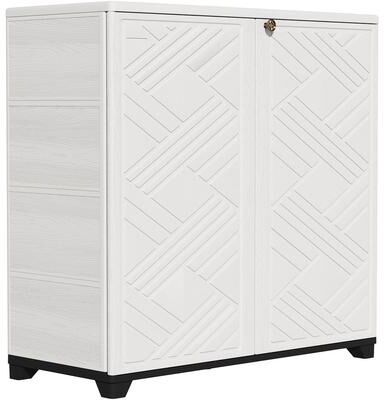
/ 33.5 In Outdoor Storage Cabinet, Patio Shed for Brooms, Trash Bins, Gardening Tools, Pool Supplies,Household Organization1. Versatile Storage Solution for Indoor and Outdoor Spaces Designed to meet a variety of storage needs, this cabinet provides a convenient place for organizing brooms, mops, gardening tools, grilling...272,99 $*Shipping: 0,00 $Secure redirect to the provider
-
What would be a suitable title for tools, equipment, materials, and workplace safety?
A suitable title for tools, equipment, materials, and workplace safety could be "Ensuring a Safe and Efficient Work Environment." This title encompasses the importance of maintaining a safe workplace while also emphasizing the role of tools, equipment, and materials in achieving efficiency and productivity. It highlights the need for proper safety measures and the use of appropriate tools and equipment to create a conducive work environment. **
-
With which tools, equipment, materials, and work aids do you work in the daycare?
In the daycare, I work with a variety of tools, equipment, materials, and work aids to ensure the safety and well-being of the children. Some of the tools and equipment I use include toys, books, art supplies, and educational materials. I also utilize safety equipment such as first aid kits, fire extinguishers, and childproofing supplies. Additionally, I work with technology such as computers and tablets for educational purposes. These tools and aids help me create a stimulating and safe environment for the children in my care. **
-
What is the difference between materials and tools?
Materials are the substances or components used to create or build something, such as wood, metal, plastic, or fabric. Tools, on the other hand, are instruments or devices used to manipulate or work with materials, such as hammers, saws, drills, or sewing machines. In other words, materials are the raw elements used in a project, while tools are the instruments used to shape, cut, or assemble those materials. **
-
Which materials and tools are primarily needed in floristry?
In floristry, the primary materials needed include fresh flowers, foliage, and other natural elements like branches or berries. Additionally, tools such as floral foam, wire, tape, scissors, and floral shears are essential for creating arrangements. Vases, containers, and ribbons are also commonly used in floristry to enhance the presentation of the floral designs. Overall, a combination of natural materials and specialized tools are key to creating beautiful and professional floral arrangements. **
* All prices are inclusive of VAT and, if applicable, plus shipping costs. The offer information is based on the details provided by the respective shop and is updated through automated processes. Real-time updates do not occur, so deviations can occur in individual cases. ** Note: Parts of this content were created by AI.