Buy procement.eu ?
We are moving the project
procement.eu .
Are you interested in purchasing the domain
procement.eu ?
domain@kv-gmbh.de · 0541-91531010
Buy procement.eu ?
What tools, materials, and equipment do teachers work with?
Teachers work with a variety of tools, materials, and equipment in their daily work. Some common tools include whiteboards, markers, and projectors for delivering lessons. Materials such as textbooks, worksheets, and manipulatives are used to support student learning. Equipment like computers, printers, and audio-visual devices are also essential for creating engaging lessons and activities. Overall, teachers rely on a combination of traditional and modern tools to effectively educate their students. **
With which work tools, materials, and equipment do teachers work?
Teachers work with a variety of tools, materials, and equipment in their daily tasks. Some common tools include computers, projectors, whiteboards, and pens. Materials can range from textbooks and worksheets to art supplies and science equipment. Additionally, teachers may use equipment such as printers, laminators, and document cameras to enhance their teaching methods and create engaging learning experiences for students. **


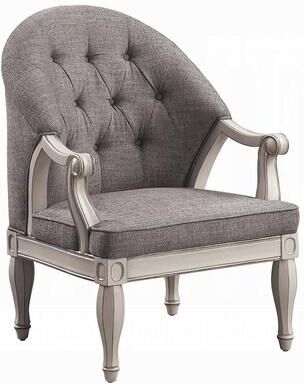
Similar search terms for CDecor-Rutherford-Grey-and
Top-Angebote
Products related to CDecor-Rutherford-Grey-and:
-
CDecor Vendone Antique Oak and Sandy Grey 5-tier BookcaseA water pipe inspired frame add industrial charm to a rustic bookcase design. Antique oak finish shelves provide plenty of space for decor and deliver a mixed media look to the sandy grey finish metal frame that creates structure for the bookcase.277,99 $*Shipping: 0,00 $Secure redirect to the provider
-
CDecor Mankato Antique Oak and Sandy Grey 8-Shelf BookshelfThis industrial-inspired casual rectangular bookcase replicates a complex child's jungle gym vibe, creating visual chaos with excellent results and plenty of space for books and décor.646,49 $*Shipping: 0,00 $Secure redirect to the provider



-
What are the differences and similarities between Thomson and Rutherford?
Thomson and Rutherford were both prominent physicists who made significant contributions to the field of atomic structure. One key difference between them is their proposed models of the atom. Thomson's model, known as the "plum pudding model," suggested that the atom was a uniform, positively charged sphere with negatively charged electrons embedded within it. In contrast, Rutherford's model proposed that the atom consisted of a small, dense, positively charged nucleus surrounded by orbiting electrons. However, both scientists conducted experiments that led to groundbreaking discoveries about the nature of the atom, with Thomson's discovery of the electron and Rutherford's discovery of the nucleus being key similarities between them. **
-
What material did Rutherford need?
Rutherford needed a material that was very thin and could be easily penetrated by alpha particles. He used gold foil because it could be hammered into extremely thin sheets, just a few atoms thick. This allowed the alpha particles to pass through the foil and be detected on the other side, which was crucial for his experiment to study the structure of the atom. **
-
What is the Rutherford nuclear model?
The Rutherford nuclear model, proposed by physicist Ernest Rutherford in 1911, describes the structure of an atom as a small, dense, positively charged nucleus at the center, surrounded by negatively charged electrons orbiting around it. This model was based on the results of Rutherford's famous gold foil experiment, which showed that most of the alpha particles passed through the foil undeflected, but some were deflected at large angles, indicating the presence of a small, dense nucleus. The Rutherford model laid the foundation for our modern understanding of the atomic structure and the development of the atomic theory. **
-
What is the Rutherford-Bohr model?
The Rutherford-Bohr model is a model of the atom proposed by Niels Bohr in 1913, building upon Ernest Rutherford's discovery of the atomic nucleus. In this model, electrons orbit the nucleus in specific energy levels or shells, rather than moving in random paths. These energy levels are quantized, meaning electrons can only occupy certain discrete energy levels. The model successfully explained the spectral lines of hydrogen and provided a more accurate description of the structure of the atom compared to previous models. **


What is the Rutherford scattering experiment?
The Rutherford scattering experiment was conducted by physicist Ernest Rutherford in 1909. In this experiment, Rutherford bombarded a thin gold foil with alpha particles and observed their scattering patterns. The unexpected results of the experiment led to the discovery of the atomic nucleus and the development of the nuclear model of the atom. The experiment showed that most of the alpha particles passed through the foil, but some were deflected at large angles, indicating the presence of a small, dense nucleus within the atom. This experiment revolutionized our understanding of the structure of the atom. **
What are the differences between the Rutherford and Bohr atomic models?
The Rutherford atomic model proposed that atoms have a dense, positively charged nucleus surrounded by orbiting electrons, similar to the solar system. In contrast, the Bohr atomic model suggested that electrons orbit the nucleus in specific energy levels or shells, and they can jump between these levels by absorbing or emitting energy. Additionally, the Rutherford model did not explain the stability of atoms, while the Bohr model introduced the concept of quantized energy levels to address this issue. **
Top-Angebote
Products related to CDecor-Rutherford-Grey-and:
-
CDecor Vendone Antique Oak and Sandy Grey 5-tier BookcaseA water pipe inspired frame add industrial charm to a rustic bookcase design. Antique oak finish shelves provide plenty of space for decor and deliver a mixed media look to the sandy grey finish metal frame that creates structure for the bookcase.277,99 $*Shipping: 0,00 $Secure redirect to the provider
-
CDecor Mankato Antique Oak and Sandy Grey 8-Shelf BookshelfThis industrial-inspired casual rectangular bookcase replicates a complex child's jungle gym vibe, creating visual chaos with excellent results and plenty of space for books and décor.646,49 $*Shipping: 0,00 $Secure redirect to the provider
-
What tools, materials, and equipment do teachers work with?
Teachers work with a variety of tools, materials, and equipment in their daily work. Some common tools include whiteboards, markers, and projectors for delivering lessons. Materials such as textbooks, worksheets, and manipulatives are used to support student learning. Equipment like computers, printers, and audio-visual devices are also essential for creating engaging lessons and activities. Overall, teachers rely on a combination of traditional and modern tools to effectively educate their students. **
-
With which work tools, materials, and equipment do teachers work?
Teachers work with a variety of tools, materials, and equipment in their daily tasks. Some common tools include computers, projectors, whiteboards, and pens. Materials can range from textbooks and worksheets to art supplies and science equipment. Additionally, teachers may use equipment such as printers, laminators, and document cameras to enhance their teaching methods and create engaging learning experiences for students. **
-
What are the differences and similarities between Thomson and Rutherford?
Thomson and Rutherford were both prominent physicists who made significant contributions to the field of atomic structure. One key difference between them is their proposed models of the atom. Thomson's model, known as the "plum pudding model," suggested that the atom was a uniform, positively charged sphere with negatively charged electrons embedded within it. In contrast, Rutherford's model proposed that the atom consisted of a small, dense, positively charged nucleus surrounded by orbiting electrons. However, both scientists conducted experiments that led to groundbreaking discoveries about the nature of the atom, with Thomson's discovery of the electron and Rutherford's discovery of the nucleus being key similarities between them. **
-
What material did Rutherford need?
Rutherford needed a material that was very thin and could be easily penetrated by alpha particles. He used gold foil because it could be hammered into extremely thin sheets, just a few atoms thick. This allowed the alpha particles to pass through the foil and be detected on the other side, which was crucial for his experiment to study the structure of the atom. **
Similar search terms for CDecor-Rutherford-Grey-and
-
What is the Rutherford nuclear model?
The Rutherford nuclear model, proposed by physicist Ernest Rutherford in 1911, describes the structure of an atom as a small, dense, positively charged nucleus at the center, surrounded by negatively charged electrons orbiting around it. This model was based on the results of Rutherford's famous gold foil experiment, which showed that most of the alpha particles passed through the foil undeflected, but some were deflected at large angles, indicating the presence of a small, dense nucleus. The Rutherford model laid the foundation for our modern understanding of the atomic structure and the development of the atomic theory. **
-
What is the Rutherford-Bohr model?
The Rutherford-Bohr model is a model of the atom proposed by Niels Bohr in 1913, building upon Ernest Rutherford's discovery of the atomic nucleus. In this model, electrons orbit the nucleus in specific energy levels or shells, rather than moving in random paths. These energy levels are quantized, meaning electrons can only occupy certain discrete energy levels. The model successfully explained the spectral lines of hydrogen and provided a more accurate description of the structure of the atom compared to previous models. **
-
What is the Rutherford scattering experiment?
The Rutherford scattering experiment was conducted by physicist Ernest Rutherford in 1909. In this experiment, Rutherford bombarded a thin gold foil with alpha particles and observed their scattering patterns. The unexpected results of the experiment led to the discovery of the atomic nucleus and the development of the nuclear model of the atom. The experiment showed that most of the alpha particles passed through the foil, but some were deflected at large angles, indicating the presence of a small, dense nucleus within the atom. This experiment revolutionized our understanding of the structure of the atom. **
-
What are the differences between the Rutherford and Bohr atomic models?
The Rutherford atomic model proposed that atoms have a dense, positively charged nucleus surrounded by orbiting electrons, similar to the solar system. In contrast, the Bohr atomic model suggested that electrons orbit the nucleus in specific energy levels or shells, and they can jump between these levels by absorbing or emitting energy. Additionally, the Rutherford model did not explain the stability of atoms, while the Bohr model introduced the concept of quantized energy levels to address this issue. **
* All prices are inclusive of VAT and, if applicable, plus shipping costs. The offer information is based on the details provided by the respective shop and is updated through automated processes. Real-time updates do not occur, so deviations can occur in individual cases. ** Note: Parts of this content were created by AI.