Buy procement.eu ?
We are moving the project
procement.eu .
Are you interested in purchasing the domain
procement.eu ?
domain@kv-gmbh.de · 0541-91531010
Buy procement.eu ?
Which temperature sensor displays the engine temperature?
The engine temperature is typically displayed by a coolant temperature sensor. This sensor is usually located near the engine's cooling system and measures the temperature of the coolant as it circulates through the engine. The information collected by the coolant temperature sensor is then sent to the engine control unit, which uses it to regulate the engine's operating temperature and make adjustments as needed. **
What is an outside temperature sensor 2?
An outside temperature sensor 2 is a device that is used to measure and monitor the temperature outside of a building or structure. It is typically placed in a location where it can accurately capture the ambient temperature, such as on a wall or pole. This sensor provides real-time data on the outside temperature, which can be useful for a variety of applications, including weather monitoring, energy efficiency, and HVAC systems. **
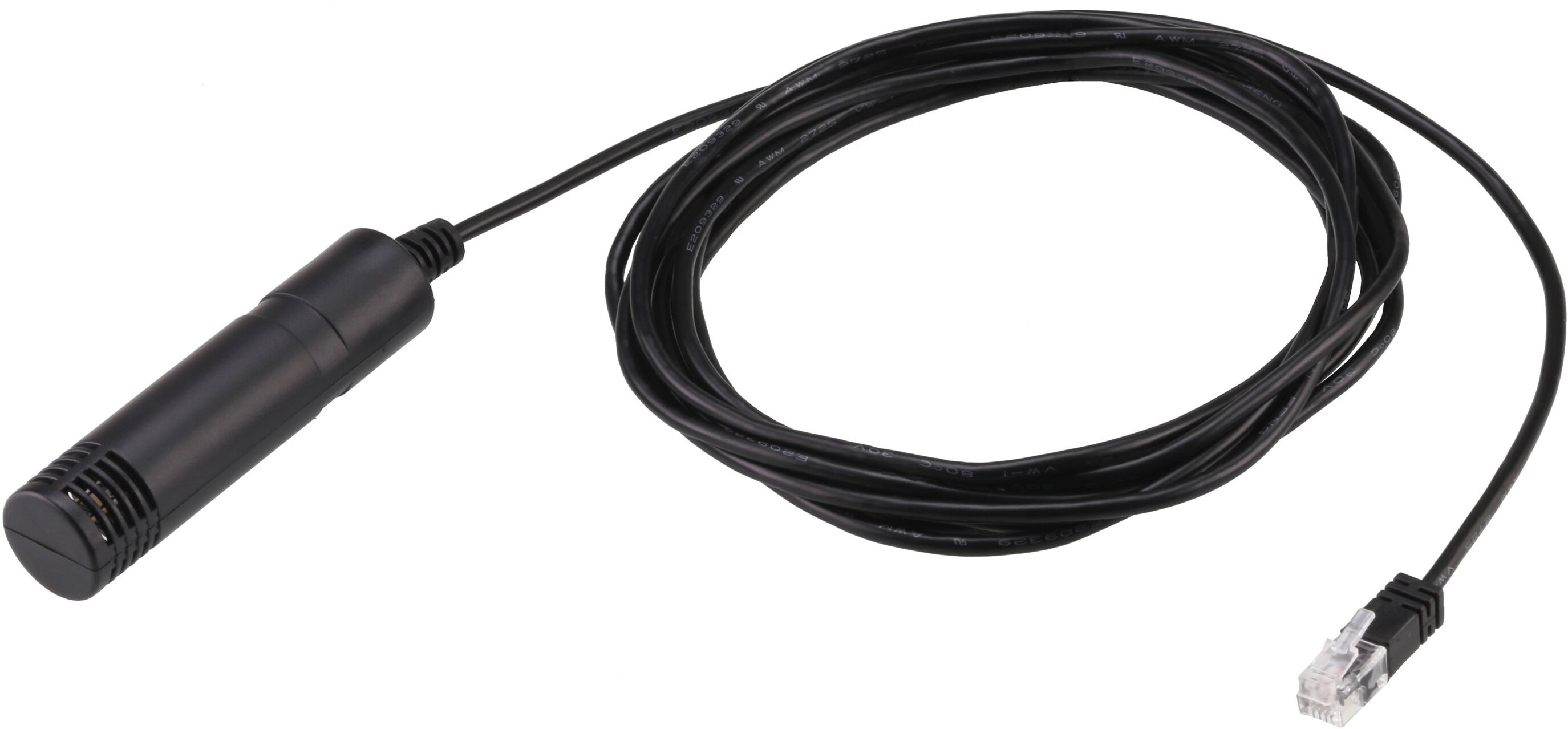

Similar search terms for Aten-EA1140-Temperature-Sensor
Top-Angebote
Products related to Aten-EA1140-Temperature-Sensor:
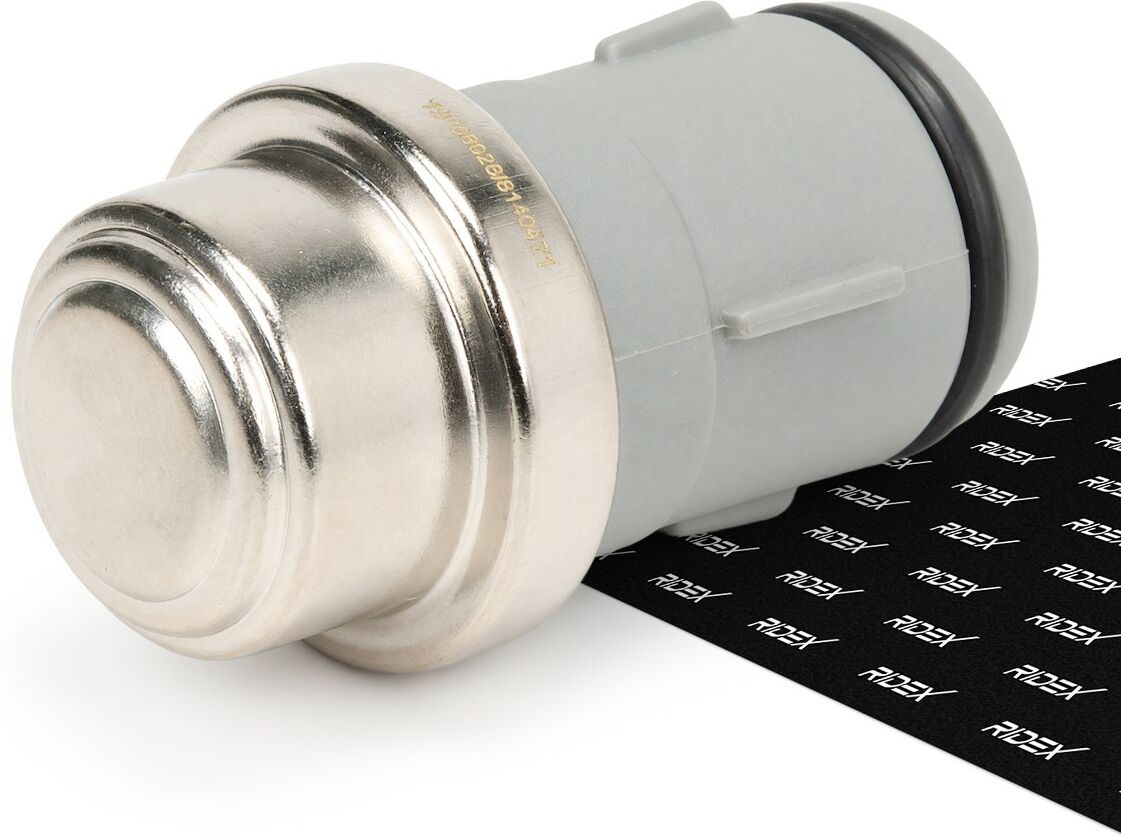

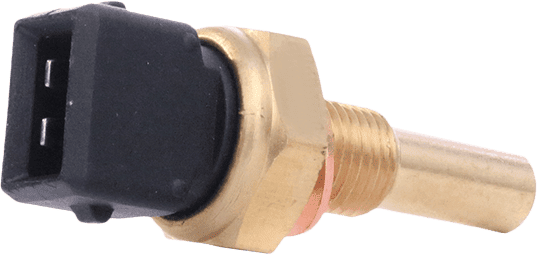
-
How can one adjust the temperature sensor?
To adjust the temperature sensor, you can typically do so through the settings on the device or system where the sensor is installed. This may involve accessing the control panel or menu options to locate the temperature sensor settings. From there, you can usually calibrate or adjust the sensor by following the instructions provided in the user manual. It's important to follow the manufacturer's guidelines to ensure accurate temperature readings and proper functioning of the sensor. **
-
How can you adjust the temperature sensor?
To adjust the temperature sensor, you can typically do so through the settings on the device it is connected to. This may involve accessing the menu or settings options and locating the temperature sensor calibration or adjustment feature. Follow the instructions provided in the device's manual to make the necessary adjustments to ensure accurate temperature readings. It is important to calibrate the sensor properly to maintain the accuracy of the temperature measurements. **
-
How can the temperature sensor be reset?
To reset a temperature sensor, you can usually do so by power cycling the device it is connected to. This involves turning off the device, unplugging it from the power source, waiting for a few minutes, and then plugging it back in and turning it on again. This process can help reset the sensor and recalibrate it to provide accurate temperature readings. If the sensor is part of a larger system or network, there may be specific reset procedures outlined in the device's manual or by the manufacturer. **
-
How does a WLAN temperature sensor work?
A WLAN temperature sensor works by using a temperature sensor to measure the ambient temperature and then transmitting this data wirelessly using a WLAN (Wireless Local Area Network) connection. The sensor is typically connected to a WLAN gateway or router, which then sends the temperature data to a central server or cloud-based platform for storage and analysis. Users can then access the temperature data remotely through a computer or mobile device, allowing for real-time monitoring and alerts for temperature fluctuations. This technology is commonly used in various industries such as healthcare, food storage, and environmental monitoring. **


How do inaccuracies arise in the temperature sensor?
Inaccuracies in temperature sensors can arise from a variety of factors. One common reason is sensor drift, which occurs when the sensor's calibration changes over time due to environmental factors or normal wear and tear. Another factor is sensor placement, as sensors placed in areas with uneven temperature distribution or near heat sources may not accurately reflect the overall temperature of the environment. Additionally, manufacturing defects or electronic interference can also contribute to inaccuracies in temperature sensors. Regular calibration and maintenance can help mitigate these issues and ensure accurate temperature readings. **
Is my sensor compatible with the temperature control?
To determine if your sensor is compatible with the temperature control, you will need to check the specifications of both the sensor and the temperature control system. Look for information on the type of sensor input required by the temperature control system and compare it to the output of your sensor. Additionally, check if the temperature range and accuracy of the sensor align with the requirements of the temperature control system. If the specifications match, then your sensor should be compatible with the temperature control. If you are unsure, it is best to consult the user manuals or contact the manufacturers for confirmation. **
Top-Angebote
Products related to Aten-EA1140-Temperature-Sensor:
-
Aten EA1140 Temperature Sensor for PDUFor environmental monitoring and management, ATEN provides sensor probes that work in tandem with the Power Distribution Units, which enable you to get readings of temperate. Environmental conditions can be monitored with alarms according to customizable minimum/maximum thresholds set for temperature. *The Sensor is an optional accessory. You can use the ATEN PDU without environmental sensors. However, if you want to have complete energy management of your data center with the full use of ATEN solutions, a sensor installation is required.71,49 £*Shipping: 0,00 £Secure redirect to the provider
-
Which temperature sensor displays the engine temperature?
The engine temperature is typically displayed by a coolant temperature sensor. This sensor is usually located near the engine's cooling system and measures the temperature of the coolant as it circulates through the engine. The information collected by the coolant temperature sensor is then sent to the engine control unit, which uses it to regulate the engine's operating temperature and make adjustments as needed. **
-
What is an outside temperature sensor 2?
An outside temperature sensor 2 is a device that is used to measure and monitor the temperature outside of a building or structure. It is typically placed in a location where it can accurately capture the ambient temperature, such as on a wall or pole. This sensor provides real-time data on the outside temperature, which can be useful for a variety of applications, including weather monitoring, energy efficiency, and HVAC systems. **
-
How can one adjust the temperature sensor?
To adjust the temperature sensor, you can typically do so through the settings on the device or system where the sensor is installed. This may involve accessing the control panel or menu options to locate the temperature sensor settings. From there, you can usually calibrate or adjust the sensor by following the instructions provided in the user manual. It's important to follow the manufacturer's guidelines to ensure accurate temperature readings and proper functioning of the sensor. **
-
How can you adjust the temperature sensor?
To adjust the temperature sensor, you can typically do so through the settings on the device it is connected to. This may involve accessing the menu or settings options and locating the temperature sensor calibration or adjustment feature. Follow the instructions provided in the device's manual to make the necessary adjustments to ensure accurate temperature readings. It is important to calibrate the sensor properly to maintain the accuracy of the temperature measurements. **
Similar search terms for Aten-EA1140-Temperature-Sensor
-
RIDEX 829S0006 Oil temperature sensorExternal Thread Size: M10 x 1; Number of connectors: 1; Supplementary Article / Supplementary Info Info 2: with seal ring; Plug Type: Round Plug; Spanner Size: 13; Connecting thread: M10 x 1; Vehicle Identification Number (VIN) from: 81-D-000 001, 85-F-000 001; TecDoc Engine Number: 277, 4206, 256, 248, 269, 253, 278, 224, 5013, 214, 13775, 241, 13776, 4199, 4202, 9516, 4197, 26491, 5560, 16259, 13929, 13950, 13949, 9515, 11359, 13953, 13952, 13932, 13931, 13951, 13930, 10813, 11088, 14028, 15312, 13954, 13928, 348, 345, 5158; Vehicle Identification Number (VIN) to: 8G-W-000 105, 8D-V-205 000, 4B-X-200 000, 8D-Y-020 0006,29 £*Shipping: 8,45 £Secure redirect to the provider
-
goCORE GCH300018 Sensor, coolant temperatureColour Coding: black; Thread Size: M12 X 1,5; Spanner Size: 19; Number of pins: 3; Construction Year from: 10/1996, 01/1998, 05/1998, 11/2002, 08/2002, 09/2003; for model code: 323P, MX5, 323F, Yaris, Sirion, Echo, Wagon R, Yaris Verso, FunCargo; Construction Year to: 07/1999, 12/1999, 08/2002, 11/2002; Vehicle Equipment Line/Trim Level: STI5,99 £*Shipping: 8,45 £Secure redirect to the provider
-
How can the temperature sensor be reset?
To reset a temperature sensor, you can usually do so by power cycling the device it is connected to. This involves turning off the device, unplugging it from the power source, waiting for a few minutes, and then plugging it back in and turning it on again. This process can help reset the sensor and recalibrate it to provide accurate temperature readings. If the sensor is part of a larger system or network, there may be specific reset procedures outlined in the device's manual or by the manufacturer. **
-
How does a WLAN temperature sensor work?
A WLAN temperature sensor works by using a temperature sensor to measure the ambient temperature and then transmitting this data wirelessly using a WLAN (Wireless Local Area Network) connection. The sensor is typically connected to a WLAN gateway or router, which then sends the temperature data to a central server or cloud-based platform for storage and analysis. Users can then access the temperature data remotely through a computer or mobile device, allowing for real-time monitoring and alerts for temperature fluctuations. This technology is commonly used in various industries such as healthcare, food storage, and environmental monitoring. **
-
How do inaccuracies arise in the temperature sensor?
Inaccuracies in temperature sensors can arise from a variety of factors. One common reason is sensor drift, which occurs when the sensor's calibration changes over time due to environmental factors or normal wear and tear. Another factor is sensor placement, as sensors placed in areas with uneven temperature distribution or near heat sources may not accurately reflect the overall temperature of the environment. Additionally, manufacturing defects or electronic interference can also contribute to inaccuracies in temperature sensors. Regular calibration and maintenance can help mitigate these issues and ensure accurate temperature readings. **
-
Is my sensor compatible with the temperature control?
To determine if your sensor is compatible with the temperature control, you will need to check the specifications of both the sensor and the temperature control system. Look for information on the type of sensor input required by the temperature control system and compare it to the output of your sensor. Additionally, check if the temperature range and accuracy of the sensor align with the requirements of the temperature control system. If the specifications match, then your sensor should be compatible with the temperature control. If you are unsure, it is best to consult the user manuals or contact the manufacturers for confirmation. **
* All prices are inclusive of VAT and, if applicable, plus shipping costs. The offer information is based on the details provided by the respective shop and is updated through automated processes. Real-time updates do not occur, so deviations can occur in individual cases. ** Note: Parts of this content were created by AI.