Buy procement.eu ?
We are moving the project
procement.eu .
Are you interested in purchasing the domain
procement.eu ?
domain@kv-gmbh.de · 0541-91531010
Buy procement.eu ?
What tools, materials, and equipment do teachers work with?
Teachers work with a variety of tools, materials, and equipment in their daily work. Some common tools include whiteboards, markers, and projectors for delivering lessons. Materials such as textbooks, worksheets, and manipulatives are used to support student learning. Equipment like computers, printers, and audio-visual devices are also essential for creating engaging lessons and activities. Overall, teachers rely on a combination of traditional and modern tools to effectively educate their students. **
With which work tools, materials, and equipment do teachers work?
Teachers work with a variety of tools, materials, and equipment in their daily tasks. Some common tools include computers, projectors, whiteboards, and pens. Materials can range from textbooks and worksheets to art supplies and science equipment. Additionally, teachers may use equipment such as printers, laminators, and document cameras to enhance their teaching methods and create engaging learning experiences for students. **

Similar search terms for Plug-in
Top-Angebote
Products related to Plug-in:
-
Uplift Treasures Calming Cat Pheromone Diffuser Plug In uk PlugProduct Description: Create a calm and comfortable environment for your feline companion with this Calming Cat Pheromone Diffuser Plug In. Designed to help reduce stressrelated behaviors, this longlasting diffuser releases soothing pheromoneinspired...95,97 $*Shipping: 0,00 $Secure redirect to the provider
-
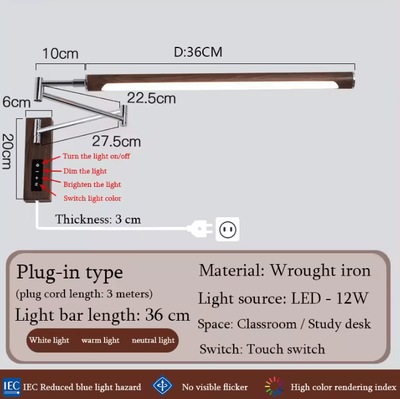
Inspire Curations French Medieval Adjustable Plug In Wall Sconce plug Model 12wBring timeless European character and practical lighting to your favorite reading spot with this French vintage wall lamp. Inspired by medieval styling, its adjustable rocker arm lets you position the light where you need it for reading, studying,...220,50 $*Shipping: 0,00 $Secure redirect to the provider



-
With which tools, equipment, materials, and work aids do you work in the daycare?
In the daycare, I work with a variety of tools, equipment, materials, and work aids to ensure the safety and well-being of the children. Some of the tools and equipment I use include toys, books, art supplies, and educational materials. I also utilize safety equipment such as first aid kits, fire extinguishers, and childproofing supplies. Additionally, I work with technology such as computers and tablets for educational purposes. These tools and aids help me create a stimulating and safe environment for the children in my care. **
-
Where do I need to plug in this plug?
To determine where to plug in the plug, first identify the type of plug you have. If it is a standard electrical plug, look for a corresponding electrical outlet in your home or office. If it is a specialized plug, such as a USB or audio plug, look for a matching port on a computer, speaker, or other electronic device. Make sure to check the voltage and power requirements of the device you are plugging in to ensure it is compatible with the outlet or port. If you are unsure, consult the user manual or contact the manufacturer for guidance. **
-
What happens when you plug in the CEE plug?
When you plug in the CEE plug, it connects the device to a power source. The CEE plug is designed to provide a secure and stable connection for high-powered electrical equipment, such as industrial machinery or large appliances. Once plugged in, the device will receive the necessary electrical power to operate. It is important to ensure that the CEE plug is compatible with the power source and that the device is designed to handle the voltage and current provided by the plug. **
-
Where do I have to plug in this plug?
To determine where to plug in the plug, you should look for a corresponding outlet that matches the shape and size of the plug. Typically, plugs are designed to fit into specific outlets, such as electrical outlets for appliances or USB ports for electronic devices. Make sure to check the voltage requirements and compatibility of the plug with the outlet before plugging it in to avoid any damage. If you are unsure, refer to the user manual or contact the manufacturer for guidance. **
How can you plug in a plug rotated in a socket?
To plug in a plug that is rotated in a socket, first, make sure the socket is turned off to avoid any electrical hazards. Then, carefully rotate the plug in the socket until it aligns with the correct orientation. Slowly and gently push the plug into the socket until it is fully inserted. Finally, turn on the socket to check if the plug is securely connected and receiving power. **
How can one plug in a plug rotated in a socket?
To plug in a plug that is rotated in a socket, first, make sure the socket is turned off to avoid any electrical hazards. Then, carefully rotate the plug in the socket until it aligns with the correct orientation. Slowly and gently push the plug into the socket until it is fully inserted. Finally, turn on the socket to check if the plug is securely connected and functioning properly. **
Top-Angebote
Products related to Plug-in:
-
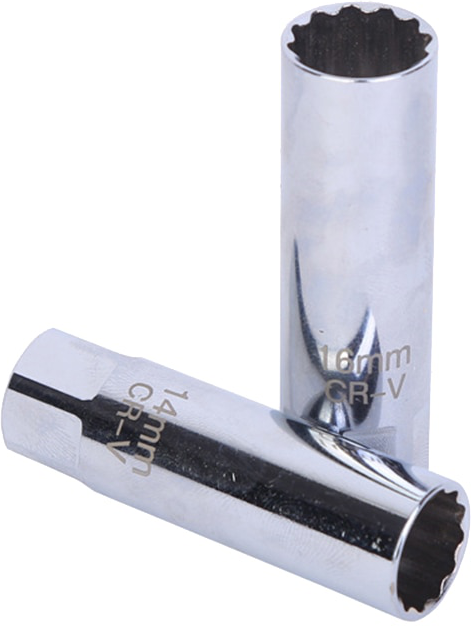
KS TOOLS 517.1135 Socket Set, spark plugDrive [inch]: 3/8; Number of Parts [parts]: 2; Bolt Head-/Nut Design: Double Hexagon; DIN/ISO: DIN 3120, ISO 1174; Surface: Satined Matt, Chromed; Material: Chrome Vanadium Steel; Weight [g]: 500; Drive side (profile): Rectangle; Square Drive Tang Size [mm (inch)]: 10 (3/8)31,49 £*Shipping: 8,45 £Secure redirect to the provider
-
Uplift Treasures Calming Cat Pheromone Diffuser Plug In uk PlugProduct Description: Create a calm and comfortable environment for your feline companion with this Calming Cat Pheromone Diffuser Plug In. Designed to help reduce stressrelated behaviors, this longlasting diffuser releases soothing pheromoneinspired...95,97 $*Shipping: 0,00 $Secure redirect to the provider
-
What tools, materials, and equipment do teachers work with?
Teachers work with a variety of tools, materials, and equipment in their daily work. Some common tools include whiteboards, markers, and projectors for delivering lessons. Materials such as textbooks, worksheets, and manipulatives are used to support student learning. Equipment like computers, printers, and audio-visual devices are also essential for creating engaging lessons and activities. Overall, teachers rely on a combination of traditional and modern tools to effectively educate their students. **
-
With which work tools, materials, and equipment do teachers work?
Teachers work with a variety of tools, materials, and equipment in their daily tasks. Some common tools include computers, projectors, whiteboards, and pens. Materials can range from textbooks and worksheets to art supplies and science equipment. Additionally, teachers may use equipment such as printers, laminators, and document cameras to enhance their teaching methods and create engaging learning experiences for students. **
-
With which tools, equipment, materials, and work aids do you work in the daycare?
In the daycare, I work with a variety of tools, equipment, materials, and work aids to ensure the safety and well-being of the children. Some of the tools and equipment I use include toys, books, art supplies, and educational materials. I also utilize safety equipment such as first aid kits, fire extinguishers, and childproofing supplies. Additionally, I work with technology such as computers and tablets for educational purposes. These tools and aids help me create a stimulating and safe environment for the children in my care. **
-
Where do I need to plug in this plug?
To determine where to plug in the plug, first identify the type of plug you have. If it is a standard electrical plug, look for a corresponding electrical outlet in your home or office. If it is a specialized plug, such as a USB or audio plug, look for a matching port on a computer, speaker, or other electronic device. Make sure to check the voltage and power requirements of the device you are plugging in to ensure it is compatible with the outlet or port. If you are unsure, consult the user manual or contact the manufacturer for guidance. **
Similar search terms for Plug-in
-
Inspire Curations French Medieval Adjustable Plug In Wall Sconce plug Model 12wBring timeless European character and practical lighting to your favorite reading spot with this French vintage wall lamp. Inspired by medieval styling, its adjustable rocker arm lets you position the light where you need it for reading, studying,...220,50 $*Shipping: 0,00 $Secure redirect to the provider
-
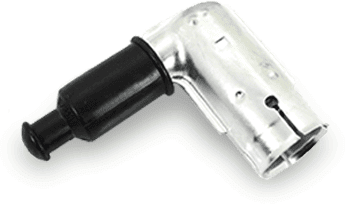
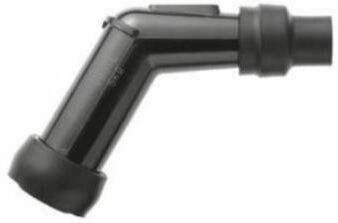
BERU ZLE234 Plug, spark plugIgnition Coil: Connector Type SAE, Connector Type, saw teeth; Required quantity: 6; Required quantity: 2, 3; Length incl. plug [cm]: 113; Material: MVQ (silicone rubber); Spark Plug: Connector Type SAE; Resistor [kohm]: 2; TecDoc Engine Number: 5235, 5236; Fitting Position: Pitman Arm to front axle, Pitman Arm to track rod, Axle stop on frame13,49 £*Shipping: 8,45 £Secure redirect to the provider
-
What happens when you plug in the CEE plug?
When you plug in the CEE plug, it connects the device to a power source. The CEE plug is designed to provide a secure and stable connection for high-powered electrical equipment, such as industrial machinery or large appliances. Once plugged in, the device will receive the necessary electrical power to operate. It is important to ensure that the CEE plug is compatible with the power source and that the device is designed to handle the voltage and current provided by the plug. **
-
Where do I have to plug in this plug?
To determine where to plug in the plug, you should look for a corresponding outlet that matches the shape and size of the plug. Typically, plugs are designed to fit into specific outlets, such as electrical outlets for appliances or USB ports for electronic devices. Make sure to check the voltage requirements and compatibility of the plug with the outlet before plugging it in to avoid any damage. If you are unsure, refer to the user manual or contact the manufacturer for guidance. **
-
How can you plug in a plug rotated in a socket?
To plug in a plug that is rotated in a socket, first, make sure the socket is turned off to avoid any electrical hazards. Then, carefully rotate the plug in the socket until it aligns with the correct orientation. Slowly and gently push the plug into the socket until it is fully inserted. Finally, turn on the socket to check if the plug is securely connected and receiving power. **
-
How can one plug in a plug rotated in a socket?
To plug in a plug that is rotated in a socket, first, make sure the socket is turned off to avoid any electrical hazards. Then, carefully rotate the plug in the socket until it aligns with the correct orientation. Slowly and gently push the plug into the socket until it is fully inserted. Finally, turn on the socket to check if the plug is securely connected and functioning properly. **
* All prices are inclusive of VAT and, if applicable, plus shipping costs. The offer information is based on the details provided by the respective shop and is updated through automated processes. Real-time updates do not occur, so deviations can occur in individual cases. ** Note: Parts of this content were created by AI.